Quick answer: ASF means “as f***” — it’s slang for “extremely” or “very.” When someone types “I’m tired asf” or “that’s funny asf,” they’re not adding a new idea; they’re turning the volume all the way up on the word before it.
Because ASF contains a swear word (hidden behind the initials), it lives firmly in casual, friends-only territory. Below is what it means, how it works in a sentence, when you should absolutely not use it, and the cleaner ways to say the same thing.
What Does ASF Mean in Chat?
ASF is an intensifier — a word whose only job is to make another word stronger. English has a few of these (“super,” “crazy,” “mad” in some regions), but ASF is one of the strongest and most informal.
It almost always comes after an adjective:
- “It’s cold asf outside”
- “That exam was hard asf”
- “You look good asf in that photo”
- “I’m hungry asf”
Swap it out and the meaning is plain: “extremely,” “really,” “so.” “Cold asf” = extremely cold. The abbreviation grew out of social media slang — rooted in African American Vernacular English (AAVE) expressions that spread through Black Twitter, TikTok, and everyday online speech in the 2010s — and it’s now used by young people across platforms everywhere.
A spelling note: you’ll also see it written “as’f” occasionally, or merged right into the flow of a sentence in all lowercase. It’s texting; nobody is being graded.
Real Chat Examples of ASF
A: bro it’s hot asf today, I’m melting
B: fr, I stepped outside and turned aroundA: that video had me weak asf 😭
B: I watched it like five times, it gets funnierA: I’m nervous asf about tomorrow
B: you got this, you studied all weekA: her new song is good asf
B: right?? it’s been on repeat all dayA: this line is long asf, we’ve been here 20 mins
B: worth it tho, best tacos in the cityA: you looked confident asf in that presentation
B: fake it till you make it, I was shaking inside
Notice it works for complaints, compliments, and hype in equal measure. The feeling changes; the intensity button stays the same.
ASF vs AF: Same Thing?
Yes — mostly. AF is the older, shorter form of the exact same phrase (“as f***”), and ASF is its close twin. For years “AF” dominated (“tired af,” “real af”). ASF rose alongside it, partly because some people pronounce-spell the phrase with the S sound pattern they hear in speech, and partly because platform filters and search habits favored the longer version.
In practice, treat them as identical twins:
- “busy af” = “busy asf”
- “fake af” = “fake asf”
There’s no meaning difference. It’s a style and generation preference, nothing more.
The Tone: Funny, Emphatic — and Definitely Informal
ASF carries the energy of the swear word inside it, even though the word itself is never spelled out. That gives it a specific flavor:
- Among close friends: normal, funny, expressive. It adds comic exaggeration to everyday complaints and compliments.
- In public posts: common on TikTok and X among younger users, but it still reads as edgy. Brands and public figures who use it are deliberately going for a raw, unfiltered voice.
- Directed at someone: “you’re annoying asf” lands much harder than “you’re annoying.” Intensifiers amplify insults exactly as efficiently as compliments.
Also worth knowing: typing the abbreviation doesn’t make it “not swearing.” Everyone reads straight through the initials. If the full word wouldn’t be okay in a situation, ASF isn’t a loophole — it’s the same word wearing a hat.
One more social signal ASF sends: it marks you as fluent in internet culture. Among younger friend groups, seasoning a complaint with “asf” quietly says “I live online, and so do you.” That shared-language feeling is a big part of why people keep using it despite the swearing baked in.
Just remember that the exact same signal reads completely differently to anyone standing outside that culture — which is most workplaces, classrooms, and family dinners.
When You Should NOT Use ASF
Skip ASF entirely in these situations:
- Work and school communication — emails to teachers, managers, clients, or anyone you’re trying to impress. Even if they’re young and chill, it risks your credibility for zero benefit.
- With elders and family members who’d be offended — you know exactly which relatives these are.
- Formal writing of any kind — essays, applications, cover letters. Obviously, but people have done it.
- Arguments you want to de-escalate — “you’re wrong asf” pours fuel on a fire. If the goal is to solve something, drop the intensifier.
- Public-facing professional accounts — unless edgy is genuinely your brand and you accept the trade-offs.
The rule of thumb: if you’d have to explain or apologize for it afterward, it wasn’t the right choice beforehand.
Polite Alternatives to ASF
Every ASF sentence has a clean twin. Reach for these when the audience is mixed:
- Extremely / incredibly — the direct formal swap: “extremely cold”
- So — the universal one: “I’m so tired”
- Super — casual but clean: “super funny”
- Really — works everywhere: “really nervous”
- Like crazy — keeps the exaggeration, drops the swearing: “busy like crazy”
- Dead (slang, still casual) — “I’m dead tired” is emphatic without a swear in sight
Same energy, no landmines. In a job interview, “I was incredibly nervous” does everything “nervous asf” does — plus keep you employable.
Don’t Confuse ASF with ASL
This mix-up is everywhere now, so let’s settle it. On TikTok and in some chats, people type “asl” when they actually mean ASF — “I’m mad asl” = “I’m mad asf.” It’s become slang-within-slang.
But ASL already has two established meanings: the classic chat one is “Age, Sex, Location?” from early internet chatrooms, and in the real world ASL is American Sign Language. So “mad asl” (slang for extremely mad) and “what’s your ASL?” (age/sex/location) are completely different sentences that happen to share three letters.
If a stranger asks your “asl,” they almost certainly mean age, sex, location — and you’re under no obligation to answer that.
FAQs
What does ASF mean from a guy or a girl?
The same thing: “extremely.” “You look good asf” is a compliment; “I’m tired asf” is a complaint. There’s no gender-coded meaning — the adjective before it carries the message.
Is ASF a bad word?
It contains one — the initials stand for a phrase built around the f-word. The abbreviation softens the appearance, not the meaning, so treat it like swearing in terms of where it’s appropriate.
Can I use ASF in a caption or bio?
Plenty of people do, especially on TikTok and Instagram. Just know your audience: followers who know you will read it as personality. A future employer screenshotting it might read it differently.
What does “asf” mean at the start of a sentence?
Basically nothing different — texting word order is loose. “Asf I’m tired” is just someone typing fast and front-loading the emphasis. It still means “extremely tired.”
Is ASF the same as ISTG or FR?
They’re neighbors, not twins. ISTG (“I swear to God”) and FR (“for real”) add emphasis or agreement to a whole statement. ASF specifically intensifies the adjective right before it.
Final Thoughts
ASF means “as f***” — the internet’s favorite volume knob for adjectives, perfect for emphatic texts between friends and completely wrong for the group project email.
Use it where the full word would be welcome, swap in “extremely,” “so,” or “super” everywhere else, and you’ll always have exactly the right amount of intensity for the room you’re in.
More Texting Meanings Explained
- what SYBAU means on TikTok
- what WDYM means in text
- DNI meaning in text
- What Does STSU Mean in Text? Meaning & Examples
- What Does “THE” Mean in Text? Meaning, Uses & Examples
- YW Mean After Thank You
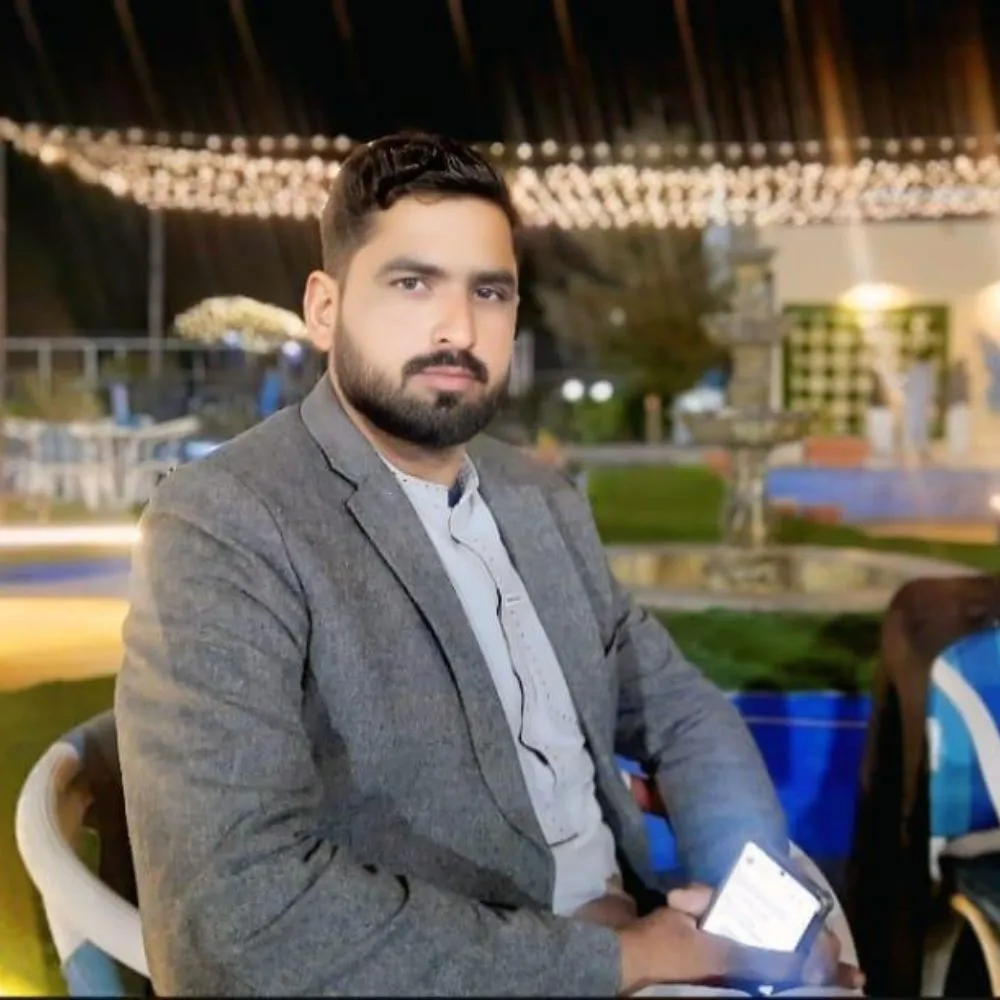
Hi, I am Sajjad Haidar, an experienced English teacher with over 10 years of experience teaching English at the high school level. I help students understand English grammar, vocabulary, word meanings, slang, and everyday communication in a simple and practical way.
At Glossiffy.com, I share clear and easy-to-understand explanations of English words, phrases, and meanings to help students, English learners, and everyday readers improve their English with confidence.